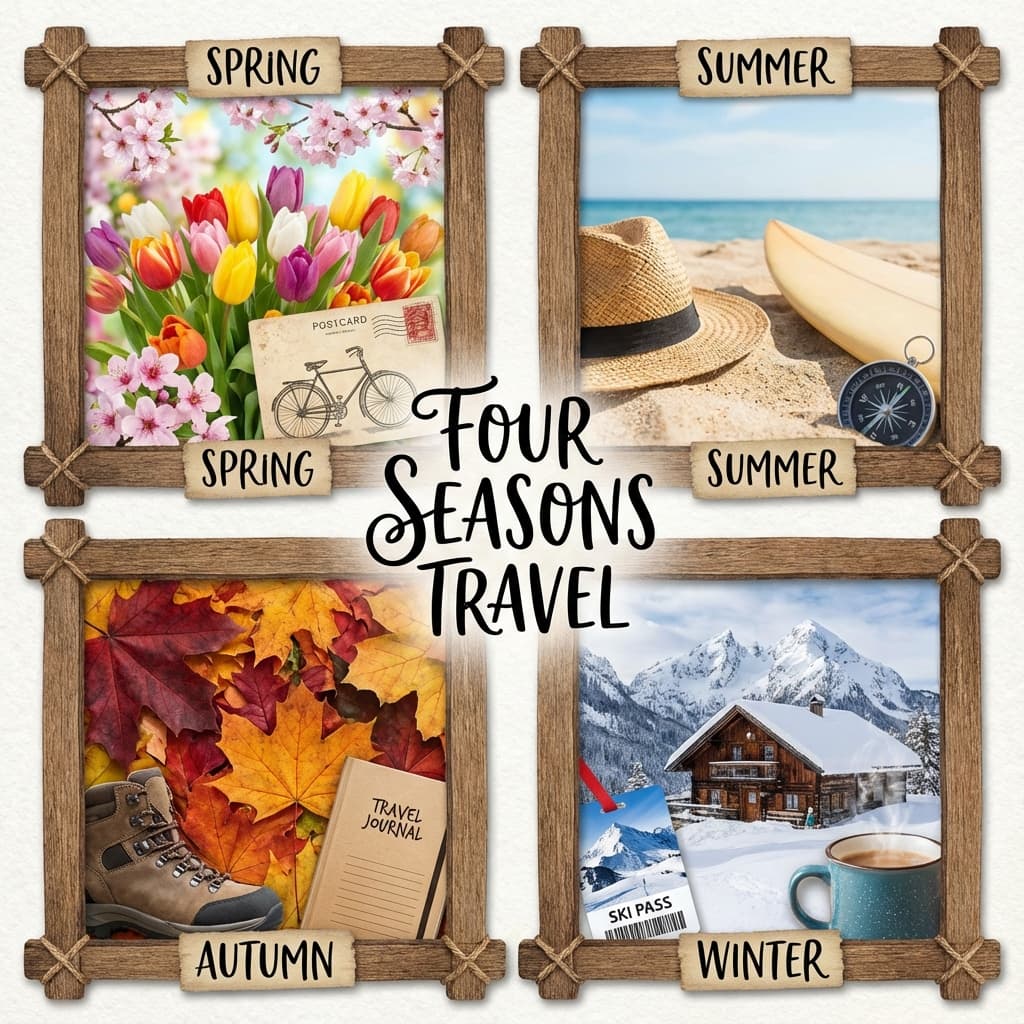
Best Time to Visit: The Ultimate Seasonal Travel Guide
Deciding when to travel can make or break your trip. While summer offers sunshine and vibrant festivals, it often comes with crushing crowds and peak prices. The complex interplay between weather, school holidays, and local events creates distinct "seasons" for every destination. This guide explores the art of timing your travels for maximum enjoyment and value.
Understanding Travel Seasons
In the travel industry, the year is divided into three primary categories. Understanding these can save you thousands of dollars and spare you from standing in four-hour lines.
1. Peak Season (High Season)
This usually coincides with the best weather and school holidays (Summer, Christmas, Easter). Everything is open, the atmosphere is buzzing, and the weather is reliable. However, prices can be 50-100% higher, and popular sites like the Louvre or the Colosseum will be packed to capacity.
2. Shoulder Season: The Sweet Spot
The shoulder season is the brief window between peak and off-peak—typically Spring (April-May) and Autumn (September-October) in the Northern Hemisphere. This is the holy grail for savvy travelers. You get 80% of the good weather with only 50% of the crowds. Prices for flights and hotels often drop by 20-30% compared to high season.
- Europe: May and September offer long days and warm evenings without the heatwaves of July/August.
- Japan: Late November offers stunning autumn foliage to rival the crowded cherry blossom season.
- Caribbean: Late April or May avoids the hurricane season while offering great rates.
3. Off-Peak (Low Season)
Usually the coldest or wettest months. While some destinations shut down, others transform. Winter in Venice is hauntingly beautiful and devoid of cruise ship crowds. Cities like London or New York offer cozy vibes and zero queues for museums.
Regional Breakdown
Europe
Summer (June-August) is hot and crowded. August is particularly tricky as many Europeans go on vacation, meaning some local shops and restaurants in cities like Paris or Rome might actually close, while coastal areas become impossibly crowded. Best Bet: Late September. The Mediterranean is still warm enough for swimming, but the summer rush has gone home.
Southeast Asia
The weather here is dictated by monsoons. The "dry season" (generally Nov-Feb) is the high season. However, the "wet season" often just means a refreshing hour-long downpour in the afternoon, leaving the rest of the day lush and green. Traveling during the monsoon can mean lush rice terraces in Bali and empty temples in Angkor Wat.
The Safari Window
For safaris in East Africa (Kenya/Tanzania), timing is dictated by the Great Migration. July to October is prime viewing time, but it's also the most expensive. The "Green Season" (rainy season) offers baby animals, lush landscapes, and dramatic skies at a fraction of the cost.
Timing is Everything
Ultimately, the "best" time depends on your priorities. If you want perfect beach weather, pay the premium for high season. If you want culture and low stress, aim for the shoulder. If you're on a shoestring budget, embrace the off-season and pack a raincoat.
About the Author
Sarah Jenkins
Travel Writer
Passionate explorer sharing insights on Planning and authentic travel experiences.
AI Travel Pulse
Daily Generated Insights
The Rise of 'Silent Travel'
In a hyper-connected world, silent retreats are trending. From Vipassana in India to silent hiking in Finland, travelers are seeking destinations that offer digital detox and absolute quiet to recharge mental batteries.
Powered by TravelGPT-4 • Updated daily at 00:00 UTC
Did you know?
Subscribers to our newsletter get these travel tips delivered directly to their inbox every week. Don't miss out on the latest travel hacks!
Subscribe Now →Browse More Articles

Should You Use Points for Flights or Hotels? The Valuation Guide
February 16, 2026

Are Travel Rewards Easier to Earn Than Cashback? The Velocity Myth
February 14, 2026

Are Travel Agents Better for Luxury Vacations? The 'VIP' Reality
February 13, 2026
Are Travel Refunds Guaranteed? The Rule 240 & DOT Revolution
February 12, 2026

Is Travel Medical Insurance Mandatory for Europe? The 2026 ETIAS Guide
February 11, 2026